Uncategorized

Uncategorized

Email Marketing

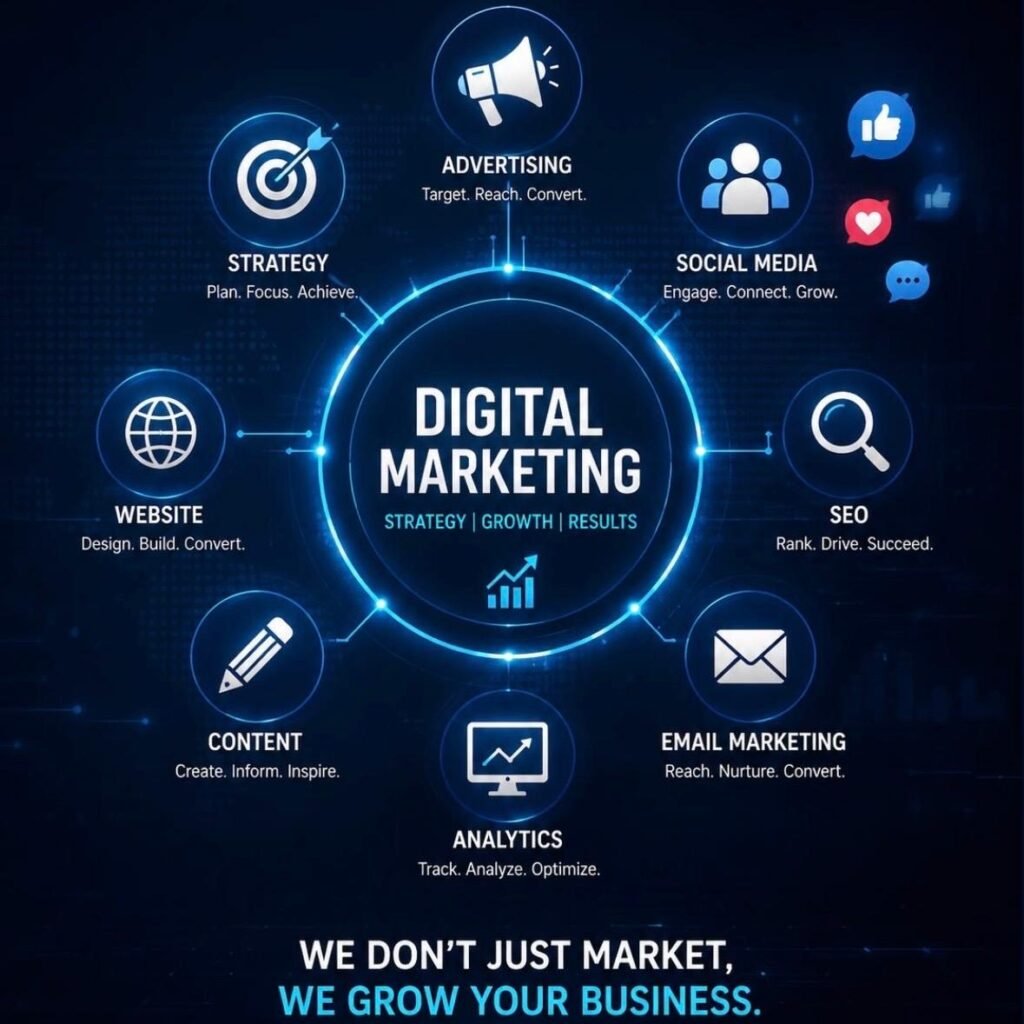
Email Marketing: A Complete Guide to Building Strong Customer Relationships Email marketing remains one of the most effective ways for businesses to connect with customers, build relationships, and increase sales. Even with the growth of social media, video platforms, and messaging apps, email continues to be an important digital marketing channel for businesses of all sizes. From sending newsletters and promotional offers to sharing educational content and personalized recommendations, email marketing gives businesses a direct way to communicate with their audience. When planned and executed properly, it can help generate leads, increase customer loyalty, and drive consistent revenue. In this guide, we will explore what email marketing is, why it is important, how it works, different types of email campaigns, best practices, common mistakes, and future trends. What Is Email Marketing? Email marketing is a digital marketing strategy that involves sending emails to a group of people for a specific business or marketing purpose. These emails may be used to promote products, share information, nurture leads, announce offers, or maintain relationships with existing customers. Unlike many social media platforms, where businesses depend on algorithms to reach their followers, email provides a more direct communication channel. A customer who voluntarily subscribes to a company’s email list has already shown interest in the business. For example, an online clothing store might send an email announcing a new collection. A software company might send educational tips to potential customers. A restaurant might send special offers to people who have previously visited its website. The key to successful email marketing is providing relevant and valuable content rather than simply sending advertisements. Why Is Email Marketing Important? Email marketing is valuable because it allows businesses to communicate directly with their target audience. A well-planned email campaign can support almost every stage of the customer journey. 1. Direct Communication Email allows brands to communicate directly with subscribers. Instead of waiting for customers to discover a social media post or advertisement, businesses can deliver a message directly to their inbox. 2. Building Customer Relationships Regularly providing useful information helps businesses build trust. Educational content, helpful recommendations, company updates, and personalized messages can make customers feel more connected to a brand. 3. Generating Leads Email marketing can help turn website visitors into potential customers. Businesses can offer valuable resources such as ebooks, guides, discounts, checklists, or newsletters in exchange for an email address. Once someone joins the mailing list, businesses can nurture that relationship through relevant email campaigns. 4. Increasing Sales Email can be used to announce new products, promote discounts, recommend products, and encourage customers to complete purchases. Carefully timed campaigns can turn interested subscribers into paying customers. 5. Personalization Modern email marketing allows businesses to personalize messages based on customer interests and behavior. For example, an online store can recommend products based on previous purchases or browsing activity. Personalized communication can make emails more relevant and engaging. How Does Email Marketing Work? A successful email marketing strategy generally involves several important steps. Step 1: Build an Email List The first step is building a list of people who have voluntarily agreed to receive communications from your business. Businesses can collect email addresses through website signup forms, landing pages, checkout forms, events, downloadable resources, and other legitimate methods. It is important to avoid purchasing random email lists. Purchased lists often contain people who have no relationship with your business, which can result in poor engagement and damage your sender reputation. Step 2: Segment Your Audience Not every subscriber has the same needs or interests. Audience segmentation involves dividing subscribers into groups based on characteristics such as interests, location, purchase history, engagement, or stage in the customer journey. For example, an ecommerce business might create separate groups for: Segmentation allows businesses to send more relevant messages. Step 3: Create Valuable Content The content of an email should provide a reason for the subscriber to open and read it. Depending on the audience, this could include educational information, special offers, product updates, industry news, or helpful tips. The goal should not always be to make a sale. Providing consistent value can help build long-term customer relationships. Step 4: Write an Effective Subject Line The subject line is one of the first things subscribers see. A clear and interesting subject line can encourage people to open the email. Good subject lines are usually specific, relevant, and concise. Avoid misleading claims or excessive use of capital letters and punctuation. For example: Weak:“BUY NOW!!! AMAZING OFFER!!!” Better:“Save 20% on your next order this weekend” Step 5: Send at the Right Time Timing can affect email engagement. However, there is no universal perfect time for every business. The best approach is to test different days and times and analyze the results. Audience behavior, industry, location, and customer habits can all influence the best sending schedule. Types of Email Marketing Campaigns Businesses can use different types of emails depending on their goals. Welcome Emails A welcome email is usually sent when someone joins an email list. It provides an opportunity to introduce the brand and explain what subscribers can expect. A welcome series can include an introduction, useful resources, product information, or a special offer. Promotional Emails Promotional emails are designed to encourage customers to take a specific action, such as purchasing a product or using a discount. Examples include: Promotional emails should be balanced with useful content so subscribers do not feel that every email is trying to sell something. Newsletter Emails Newsletters are used to regularly share valuable information with subscribers. A newsletter might include blog articles, industry updates, company news, tips, or curated resources. A consistent newsletter can help a business stay connected with its audience. Abandoned Cart Emails Ecommerce businesses can use abandoned cart emails to remind shoppers about products they added to their cart but did not purchase. A simple reminder may be enough, while some businesses may offer additional information or an incentive to complete the purchase. Transactional Emails Transactional emails are triggered by specific customer actions.

Uncategorized

The Importance of Social Media Marketing for Businesses

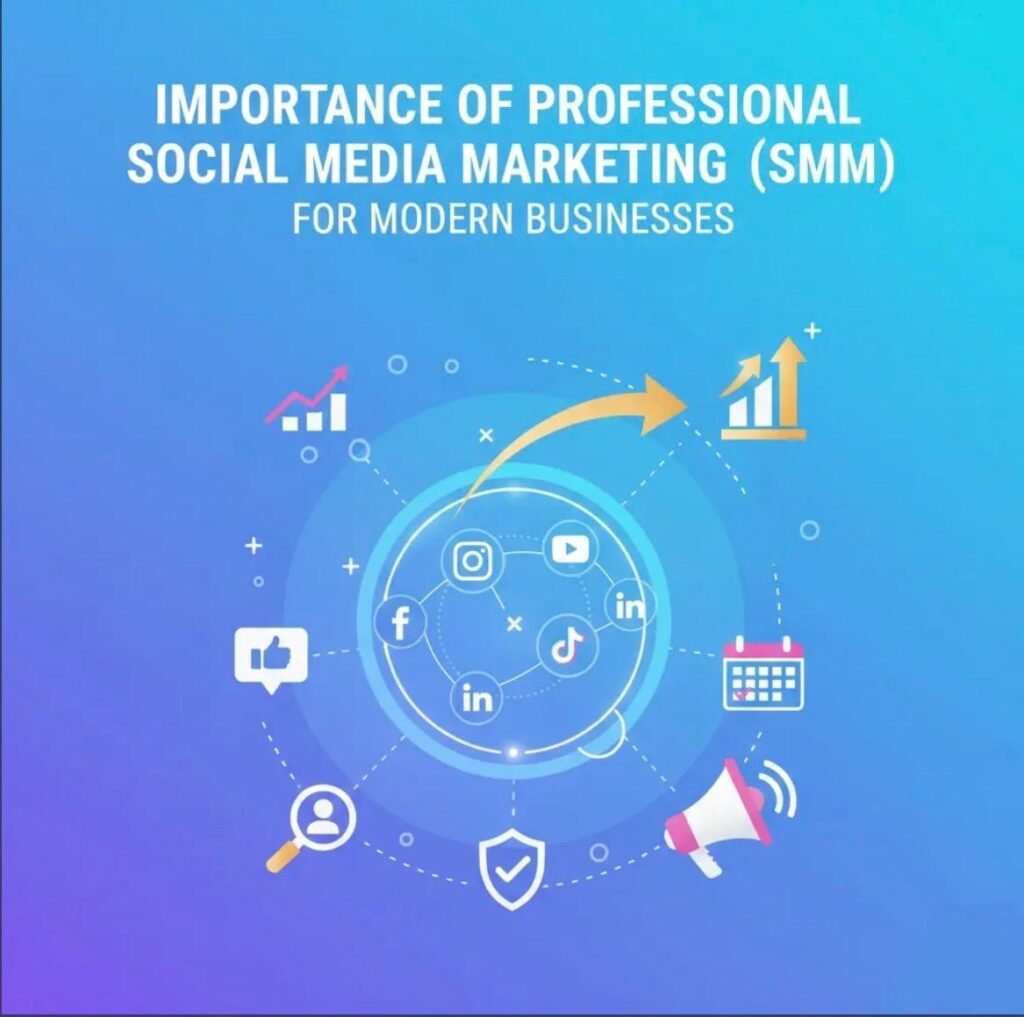
The Importance of Social Media Marketing for Businesses Social media has become an essential part of modern digital marketing. Millions of people use platforms such as Instagram, Facebook, LinkedIn, YouTube, and TikTok every day to communicate, discover information, follow brands, compare products, and make purchasing decisions. Because of this, businesses have a valuable opportunity to connect with their target audiences and build lasting relationships through social media. The importance of social media marketing for businesses can be seen in the way companies build brand awareness, communicate with customers, generate leads, increase website traffic, and support sales. Unlike traditional advertising, social media allows businesses to have direct conversations with their audiences and receive immediate feedback. However, successful social media marketing is not simply about creating an account and posting content every day. Businesses need a clear strategy, an understanding of their target audience, valuable content, consistent communication, and regular performance analysis. When these elements work together, social media can become an important part of a company’s overall marketing strategy. What Is Social Media Marketing? Social Media Marketing, commonly known as SMM, is the process of using social media platforms to promote a business, brand, product, or service. It involves creating and sharing content, communicating with followers, building online communities, running advertising campaigns, collaborating with creators, and measuring marketing performance. Businesses can use different types of content, including images, videos, Reels, Stories, carousels, articles, polls, live videos, customer testimonials, and educational posts. The type of content should depend on the platform and the interests of the target audience. For example, a fashion business may use Instagram to showcase products through attractive photographs and short videos. A professional service provider may use LinkedIn to share industry knowledge and build credibility. A software company may use YouTube to create tutorials, product demonstrations, and educational videos. The main purpose is not to use every available platform. Instead, businesses should focus on the platforms where their potential customers are most active. A focused strategy can be more effective than trying to maintain several accounts without sufficient resources. Why Is Social Media Marketing Important? Social media has changed the way businesses communicate with customers. Traditional marketing often depends on one-way communication, where a company sends a message and customers receive it. Social media creates a two-way communication process. Customers can comment on posts, send messages, ask questions, share experiences, and provide feedback. Businesses can respond directly and create stronger relationships with their audiences. One of the biggest benefits is increased visibility. When a business regularly publishes useful and engaging content, more people have an opportunity to discover the brand. When followers share that content, the business can potentially reach an even larger audience. This is one of the key reasons behind The Importance of Social Media Marketing for Businesses. A small business can establish an online presence and reach potential customers without depending entirely on expensive traditional advertising. Social media can also help businesses stay connected with existing customers. Regular updates can remind customers about products, services, offers, events, and company news. Over time, consistent communication can help a business remain recognizable in a competitive market. Building Brand Awareness Brand awareness is one of the most important objectives of social media marketing. Before customers purchase a product or service, they usually need to know that the brand exists. Regular social media activity helps businesses remain visible to their audiences. A consistent visual style, tone of communication, logo, and brand message can help people recognize a company more easily. Businesses can also use social media to tell their brand story. Behind-the-scenes content, employee stories, company updates, customer experiences, and educational posts can make a brand more personal and memorable. For example, a local restaurant can share photographs of its dishes, introduce its staff, show how food is prepared, and publish customer reviews. These types of posts can help potential customers understand what makes the business different. Understanding The Importance of Social Media Marketing for Businesses can therefore help companies create stronger brand awareness and improve their online visibility. Reaching the Target Audience One of the major advantages of social media is the ability to reach specific audiences. Before creating content, businesses should understand their ideal customers. Factors such as age, location, interests, profession, purchasing behavior, and online habits can help marketers develop better strategies. Different platforms attract different types of users and support different content formats. Therefore, understanding the target audience helps businesses decide where to focus their efforts. Instead of trying to reach everyone, a business should create content for the people who are most likely to need its products or services. A well-defined audience also makes advertising and content creation more efficient. Businesses can develop messages that address specific customer needs rather than producing generic content. Increasing Customer Engagement Social media provides businesses with an opportunity to interact directly with customers. Engagement can include likes, comments, shares, saves, direct messages, polls, reviews, and other interactions. Businesses should not treat social media as a simple publishing platform. Responding to comments and messages shows customers that the business values their opinions. For example, if a customer asks a question about a product in the comments, providing a helpful answer can improve their experience. Other users may also see the response and gain useful information. Strong engagement can help create a sense of community around a brand. Over time, this can contribute to customer loyalty and stronger relationships. Businesses should also encourage meaningful conversations rather than focusing only on increasing the number of followers. An active community of relevant followers can be more valuable than a large audience that rarely interacts with the brand. Generating Leads and Sales Social media can also support lead generation and sales. Businesses can use posts, advertisements, videos, and links to guide potential customers toward their websites, landing pages, contact forms, or online stores. For example, a digital marketing agency can share educational content and invite interested users to contact the company for a consultation. An online store can use product content to direct users toward

Uncategorized

Content Creation

Content Creation: A Complete Guide to Creating Content That Connects, Engages, and Converts Content creation has become one of the most powerful ways for individuals, businesses, creators, and brands to connect with their audiences. Whether it is a blog post, Instagram video, YouTube tutorial, podcast, newsletter, infographic, or social media post, content gives you a way to communicate ideas, solve problems, build trust, and create meaningful relationships with people. However, creating content is more than simply publishing something online. Successful content requires planning, creativity, consistency, and a clear understanding of the audience. With millions of pieces of content being published every day, the real challenge is not just creating content—it is creating content that people actually want to consume. This guide explores what content creation is, why it matters, the different types of content, how to create an effective content strategy, and practical tips for producing content that attracts and retains an audience. What Is Content Creation? Content creation is the process of developing and publishing material designed to inform, entertain, educate, inspire, or persuade a specific audience. Content can take many forms. Written articles, videos, images, podcasts, social media updates, emails, ebooks, and online courses are all examples of content. The purpose of content depends on the creator or organization. A business may create content to attract potential customers, while an individual creator may use content to build a personal brand. An educational organization might create content to teach, while an entertainment company may focus on engaging its audience. At its core, effective content creation is about providing value. When people find your content useful, interesting, or entertaining, they are more likely to remember your brand, follow your work, share your content, and eventually become loyal customers or supporters. Why Is Content Creation Important? The internet has changed how people discover information and make purchasing decisions. Instead of relying only on traditional advertising, people can research products, compare businesses, read reviews, watch videos, and learn from experts before making a decision. Content allows brands to become part of that process. One of the biggest advantages of content creation is that it can help build trust. Instead of constantly telling people that your product or service is excellent, you can demonstrate your expertise by answering questions and solving problems. For example, a digital marketing agency could publish articles about improving website traffic, creating social media campaigns, and understanding analytics. Potential customers who find these articles useful may begin to see the agency as knowledgeable and trustworthy. Content can also improve online visibility. Search engines, social media platforms, video platforms, and other digital channels depend heavily on content. Consistently publishing useful material gives your audience more opportunities to discover you. Another important benefit is long-term value. A social media advertisement may stop producing results when the campaign ends, but a high-quality article or video can continue attracting people for months or even years. Different Types of Content There is no single type of content that works for everyone. The best format depends on your audience, goals, industry, and resources. 1. Blog Posts Blogging remains one of the most useful forms of content marketing. Blog posts allow businesses and creators to explain topics in detail and answer common questions. A good blog should not simply promote a product. It should provide useful information that addresses a real problem or interest. For example, instead of writing an article titled “Why Our Company Is the Best,” a company could publish “10 Ways to Improve Your Online Presence.” The second topic provides immediate value to the reader. 2. Social Media Content Social media provides an opportunity to communicate with audiences quickly and consistently. Posts can include educational tips, behind-the-scenes content, customer stories, questions, short videos, announcements, polls, and industry insights. The most effective social media content is usually designed specifically for the platform rather than copied everywhere without modification. 3. Video Content Video has become an important part of digital communication. Tutorials, product demonstrations, interviews, reviews, short-form videos, educational clips, and live streams can all help brands connect with audiences. Video is particularly useful when a topic is easier to demonstrate visually than explain through text. 4. Podcasts Podcasts allow creators to build deeper relationships with audiences through conversations and storytelling. Businesses can use podcasts to discuss industry trends, interview experts, answer customer questions, or share educational information. 5. Email Content Email newsletters provide a direct communication channel with an audience. Unlike social media, where algorithms influence who sees your content, an email list allows you to communicate directly with subscribers. Useful newsletters might include educational articles, industry updates, exclusive resources, product information, or curated recommendations. 6. Visual Content Infographics, illustrations, charts, presentations, and other visual materials can make complex information easier to understand. Visual content is also highly useful for social media because it can communicate an idea quickly. Understanding Your Audience One of the most important principles of content creation is understanding who you are creating content for. Many creators make the mistake of starting with the question, “What do I want to post?” A better question is: “What does my audience need or want to know?” Start by identifying your target audience. Consider their age, profession, interests, challenges, goals, online behavior, and common questions. You do not need to know every detail, but having a clear picture of your ideal audience makes content planning much easier. For example, a fitness creator targeting busy professionals might focus on quick workouts, healthy meal preparation, productivity, and realistic lifestyle advice. A creator targeting college students might focus on study techniques, career preparation, budgeting, and student life. The more clearly you understand your audience, the easier it becomes to create relevant content. Developing a Content Strategy Creating content randomly can work for a short time, but a strategy is necessary for long-term growth. A content strategy defines what you want to achieve, who you want to reach, what topics you will cover, which platforms you will use, and how often you will publish. Start by

Uncategorized

DIGITAL MARKETING TRENDS 2026

Digital Marketing Trends 2026 Strategies Businesses Need to Know DIGITAL MARKETING TRENDS 2026 Introduction Digital Marketing Trends 2026. Digital marketing is changing faster than ever. New technologies, changing consumer expectations, artificial intelligence, social media developments, and evolving search behavior are transforming the way businesses attract and engage customers. What worked a few years ago may not produce the same results today. Businesses can no longer depend only on traditional search engine optimization, social media posts, or paid advertisements. In 2026, successful digital marketing requires a combination of artificial intelligence, personalization, high-quality content, video, social commerce, data, and strong customer experiences. Consumers are also becoming more selective. They want relevant information, faster responses, authentic communication, and experiences that feel personal. At the same time, marketers have access to increasingly sophisticated tools that can help them understand audiences and automate repetitive tasks. For businesses, the challenge is not simply to adopt every new technology. It is to understand which trends are genuinely useful and how they can be applied strategically. In this blog, we explore the most important digital marketing trends in 2026 and how businesses can use them to improve visibility, engagement, leads, and long-term growth. DIGITAL MARKETING TRENDS 2026 1. Artificial Intelligence Is Transforming Digital Marketing Artificial intelligence is one of the biggest forces shaping digital marketing in 2026. AI can help marketers analyze data, generate ideas, automate repetitive tasks, understand customer behavior, personalize communication, and improve campaign performance. Marketing teams can use AI for tasks such as: However, AI should not completely replace human creativity. AI-generated content can be useful for research and productivity, but businesses still need human judgment, experience, originality, and brand personality. The strongest approach is often AI-assisted marketing, where technology handles repetitive or data-heavy tasks while humans focus on strategy, creativity, storytelling, and relationships. DIGITAL MARKETING TRENDS 2026 2. Search Is Becoming More Conversational Search behavior is changing. People are increasingly using conversational queries rather than typing short keyword combinations. Instead of searching for something like “digital marketing trends,” a user may ask a detailed question about which digital marketing strategies are most effective for a small business. This means marketers need to think beyond individual keywords. Content should answer complete questions and provide useful context. Businesses should focus on: The goal is to create content that genuinely answers what the audience wants to know. DIGITAL MARKETING TRENDS 2026 3. SEO Is Becoming More User-Focused Search engine optimization remains important, but modern SEO is much broader than simply adding keywords to a page. Search engines increasingly aim to provide useful results that satisfy the user’s needs. In 2026, businesses should pay attention to: Keyword research still matters, but it should be used as a starting point rather than the entire strategy. For example, instead of creating ten low-quality articles targeting slightly different versions of the same keyword, a business could create one comprehensive resource that answers the major questions surrounding a topic. DIGITAL MARKETING TRENDS 2026 4. Short-Form Video Continues to Dominate Short-form video remains one of the most powerful content formats for capturing attention. Platforms such as TikTok, Instagram Reels, and YouTube Shorts have changed the way people consume information. Businesses can use short videos to: The biggest advantage of short-form video is that it can communicate an idea quickly. However, successful video marketing is not simply about following trends. The content needs a purpose. A useful 30-second tutorial can be more valuable than a highly produced video that does not provide any meaningful information. DIGITAL MARKETING TRENDS 2026 5. Authenticity Is Becoming More Important Consumers are exposed to huge amounts of advertising and automatically generated content. As a result, authenticity is becoming increasingly valuable. People want to see the real people behind businesses. Brands can demonstrate authenticity by sharing: Personal branding can also support this trend. When customers can connect with a recognizable person behind a company, the business can feel more human and trustworthy. DIGITAL MARKETING TRENDS 2026 6. Personalization Will Drive Better Customer Experiences Customers expect businesses to understand their needs. Generic marketing messages are becoming less effective, while personalized experiences can make communication more relevant. Personalization can include: For example, an online store

Uncategorized

PERSONAL BRANDING

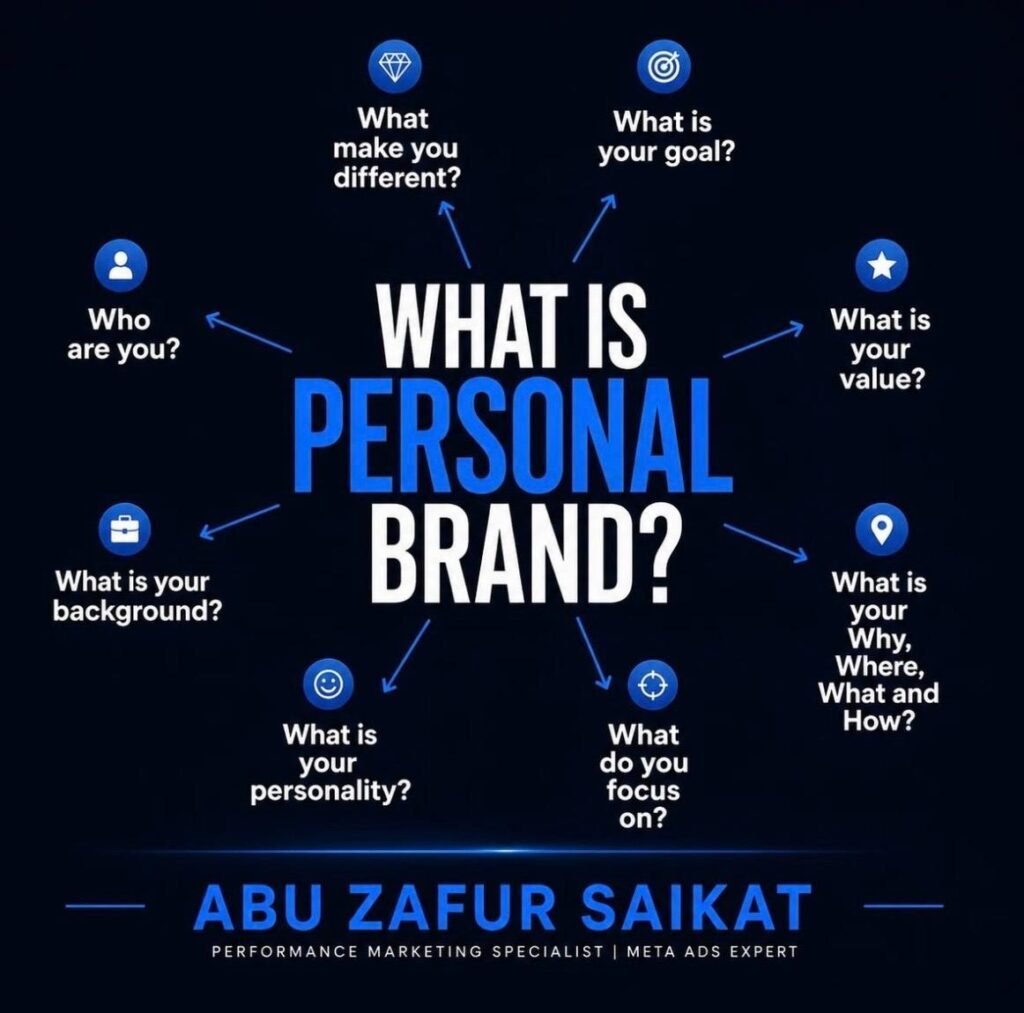
PERSONAL BRANDING Personal Branding: Building a Strong Personal Brand in the Digital Age In today’s digital world, people are no longer judged only by their qualifications, job titles, or academic achievements. Before working with someone, hiring them, or purchasing a service from them, people often search for them online. They look at their social media profiles, websites, portfolios, content, and professional presence. This is where personal branding becomes important. Personal branding is the process of presenting your skills, knowledge, personality, values, and experience in a clear and consistent way. It helps people understand who you are, what you do, and what makes you different from others in the same field. For professionals, freelancers, entrepreneurs, students, and digital marketers, building a strong personal brand can create valuable opportunities. A well-developed personal brand can improve credibility, increase visibility, attract clients, and help you build meaningful professional relationships. What Is Personal Branding? Personal branding is the way you intentionally communicate your professional identity to other people. It includes everything people associate with you, from your skills and expertise to your communication style, online presence, and professional reputation. A personal brand is not simply a logo, profile picture, or attractive website. Those elements can support a brand, but personal branding goes much deeper. It is about creating a clear identity that people can recognize and remember. For example, if someone consistently shares useful content about SEO, social media marketing, and content strategy, people may begin to recognize that person as someone knowledgeable in digital marketing. Your personal brand should answer three basic questions: When these answers are clear and consistent, your personal brand becomes stronger. Why Personal Branding Is Important The internet has made it easier than ever for professionals to showcase their work. At the same time, it has created more competition. Many people have similar qualifications and skills, so simply saying that you are talented may not be enough. A strong personal brand helps you stand out. When people repeatedly see your work, ideas, knowledge, and professional personality, they become more familiar with you. Over time, this familiarity can develop into trust. Personal branding is particularly valuable in digital marketing because digital marketers are expected to understand online platforms, content, communication, branding, and audience behavior. Your own online presence can become an example of your marketing skills. Personal Branding and Digital Marketing Personal branding and digital marketing are closely connected. Digital marketing focuses on promoting businesses, products, and services online, while personal branding focuses on building an individual’s professional identity. Many of the same digital marketing strategies can be used for personal branding. For example, SEO can help your personal website appear in search engine results. Social media marketing can help you connect with your audience. Content marketing can demonstrate your knowledge. Email marketing can help you maintain relationships with your audience. By combining these strategies, you can create a strong digital presence around your personal brand. Define Your Personal Brand Before creating content or designing a website, you should first understand what you want your personal brand to represent. Start by identifying your skills, interests, strengths, experience, and professional goals. If you are a digital marketer, for example, you may want your personal brand to focus on areas such as: You do not have to present yourself as an expert in everything. In fact, having a clear focus can make your brand easier to understand. Ask yourself what type of work you enjoy, what skills you want to develop, and what kind of opportunities you want to attract. Identify Your Target Audience A personal brand becomes more effective when you know who you are trying to reach. Your audience could include potential employers, clients, business owners, recruiters, fellow marketers, entrepreneurs, or other professionals. Understanding your audience helps you create relevant content. For example, if your goal is to attract small business clients, you can create content explaining how SEO, social media, and content marketing can help small businesses grow. If your goal is to find a digital marketing job, you can focus on demonstrating your knowledge, projects, certifications, practical experience, and learning journey. The more clearly you understand your audience, the easier it becomes to communicate with them. Build a Professional Online Presence Your online presence is one of the most important parts of personal branding. Start with a professional website or portfolio. Your website should clearly communicate who you are, what you do, your skills, your projects, and how people can contact you. A professional personal website may include: Your website does not need to be complicated. A clean and professional design can often be more effective than a website filled with unnecessary elements. Your profile photo, colors, typography, writing style, and overall design should also feel consistent. Create a Strong Personal Brand Statement A personal brand statement is a short explanation of who you are and what you offer. It should be simple, specific, and easy to remember. Instead of using generic statements such as “I am passionate and hardworking,” try to communicate your actual value. For example: “I’m a digital marketing professional focused on SEO, social media marketing, and content strategies that help businesses build a stronger online presence.” This type of statement gives people a clearer idea about your professional direction. Use Social Media Strategically Social media platforms can play a major role in personal branding. You do not necessarily need to be active on every platform. Instead, focus on the platforms where your target audience is most likely to be present. LinkedIn can be valuable for professional networking and career opportunities. Instagram can be useful for visual content and personal storytelling. YouTube can help you demonstrate knowledge through video. Other platforms can also be useful depending on your audience and industry. The key is consistency. Share useful information, project updates, professional experiences, industry insights, lessons you have learned, and content that reflects your expertise. You do not have to post every day. What matters more is creating valuable content regularly. Content Marketing for Personal Branding

Uncategorized

SEO

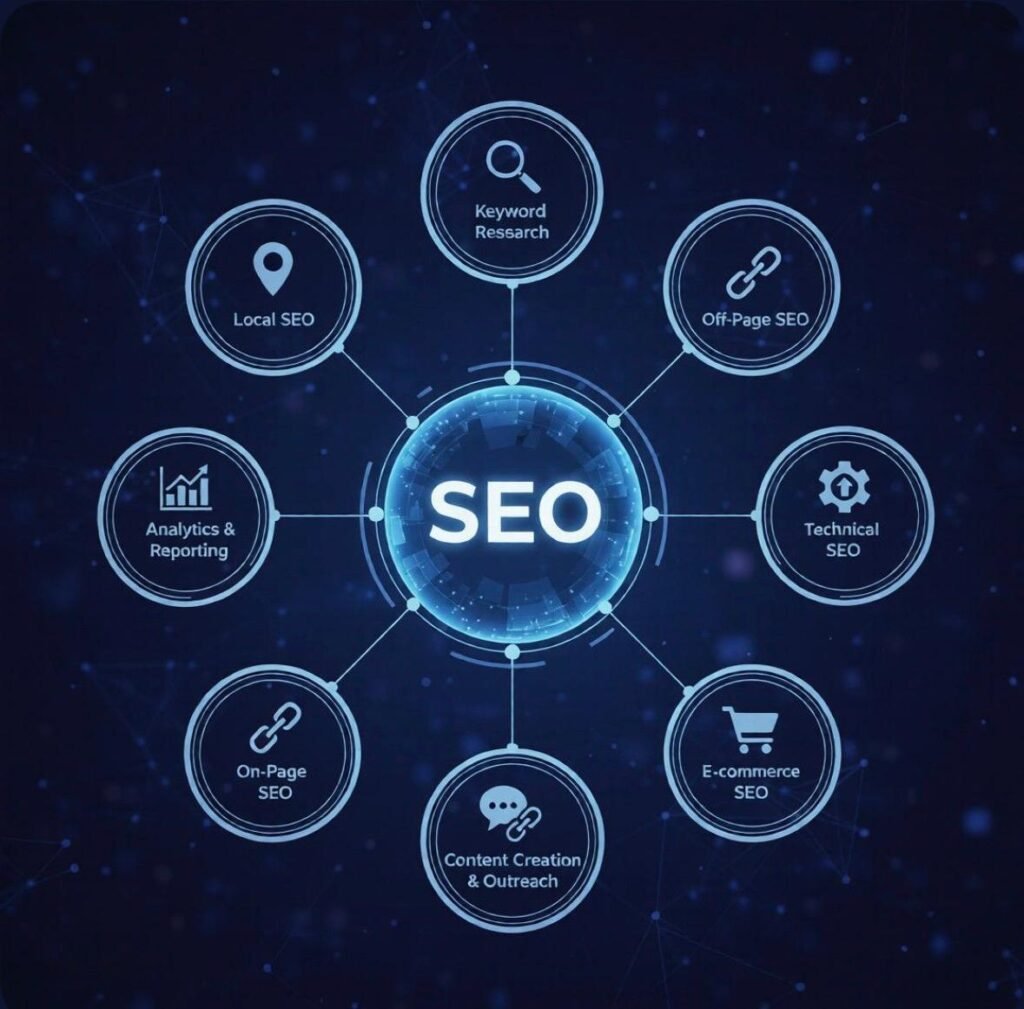
What is an SEO Blog?  stands for Search Engine Optimization. An SEO blog is content created with both readers and search engines in mind. The goal is to provide useful, relevant information while using techniques that make it easier for search engines to understand and rank the article. For example, if someone searches Google for “best ways to improve website traffic,” a well-optimized blog about that topic has a better chance of appearing in the search results. Main elements of an SEO blog Simple example Suppose your business sells fitness equipment. Instead of writing a general article titled “Fitness,” you could write: “10 Best Home Workout Equipment for Beginners” You might research keywords such as: Then you create a useful article that answers the reader’s questions and naturally incorporates those topics. The important point is that SEO blogging is not simply putting keywords into an article. Search engines increasingly focus on whether content is genuinely useful to the person searching. blog structure A 2,000-word SEO blog could be structured like this: If you want, I can also write you a complete 2,000-word blog article on any topic you choose, including a title, headings, meta description, FAQs, and relevant keywords.

Scroll to Top